

For many marginalized individuals, family has long been a place to seek refuge from a world that often feels hostile or indifferent. When we talk about family, we talk about trust—an unspoken understanding that, amidst life’s challenges, we can rely on those closest to us for love and acceptance. But the rise of the MAGA movement has shifted this foundational aspect of family for many, turning what were once safe spaces into territories of fear, rejection, and even harm.
From Safe Space to Dangerous Territory
A safe space is not just a physical place; it is an emotional sanctuary where one can be vulnerable without fear of being attacked or dismissed. For many LGBTQ+ individuals, people of color, immigrants, and others who experience systemic marginalization, family members have been the first line of support and protection. However, the increasing visibility and fervor of the MAGA movement have turned this reality upside down for countless individuals.
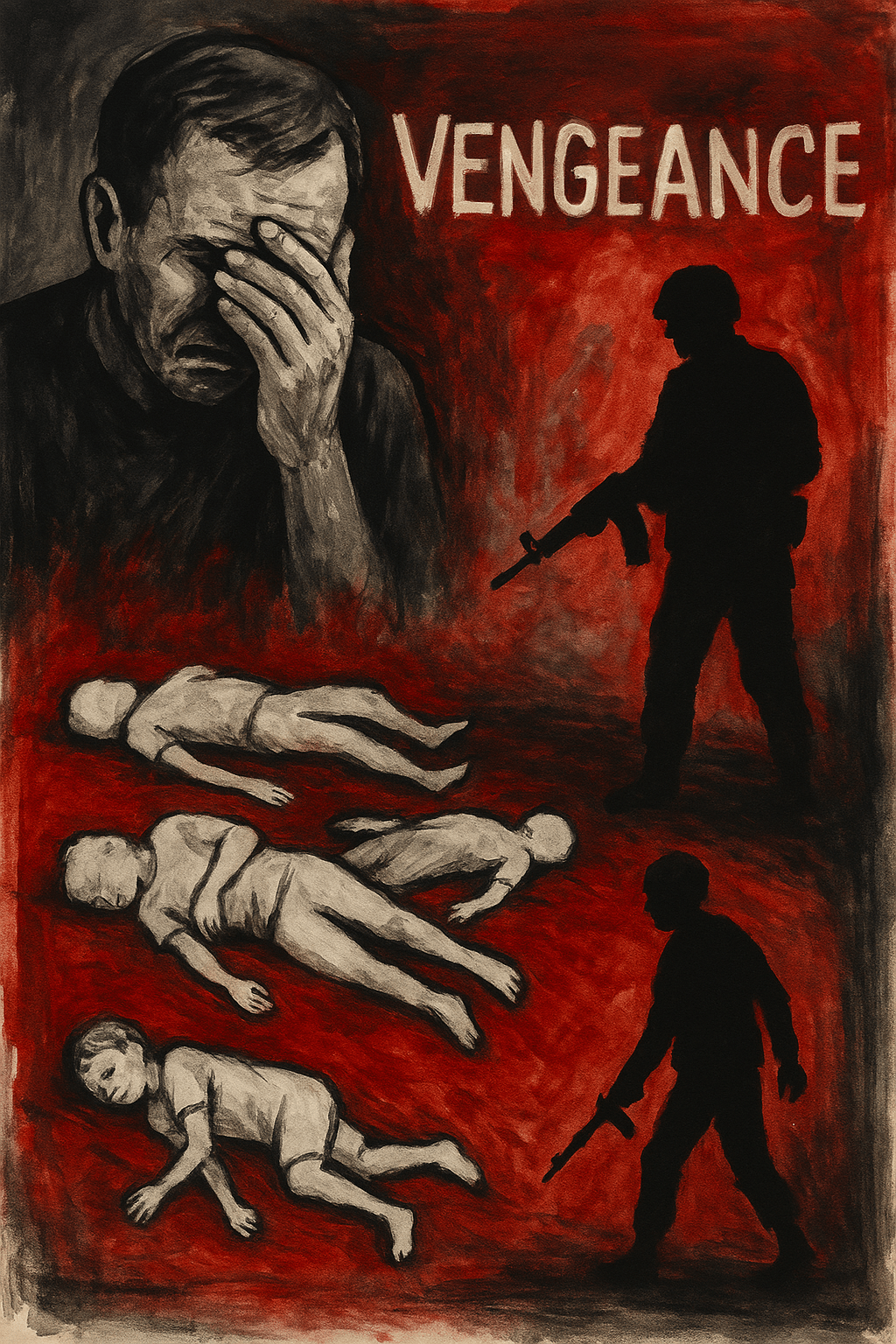
What was once trust has, for some, turned to betrayal. Family members who were perceived as kind and understanding have now embraced ideologies that foster exclusion, bigotry, and a rejection of diversity. For those who identify as marginalized, this shift feels not merely like a difference of opinion but a fundamental breach of trust—a revelation that the unconditional love they believed in was conditional after all.
The Breach of Trust: A Profound Betrayal
The teachings of Jesus emphasize creating spaces of refuge and welcome, especially for those who are marginalized. In Matthew 11:28, Jesus invites, “Come to me, all you who are weary and burdened, and I will give you rest.” Safe spaces, rooted in love and compassion, echo this call to provide rest and solace to those who face hardship and alienation.
However, when family members embrace a movement that glorifies exclusion, xenophobia, and a culture of “us versus them,” marginalized family members are faced with an unbearable question: “Am I truly loved here, or is my value conditional on my conformity to your worldview?”
For LGBTQ+ individuals, for example, the MAGA movement’s rhetoric around “traditional values” has often translated into rejection, exclusion, and harmful policies. A family that once appeared supportive and accepting can suddenly become a dangerous place where one’s identity is criticized, faith is questioned, and basic rights are dismissed. The breach of trust here is profound—it’s the realization that those who were supposed to stand by your side are now aligned with a movement that perpetuates your oppression.
Ideology Over Relationship: When Political Allegiance Overrides Love
The MAGA movement has cultivated a climate where allegiance to ideology frequently overrides the deep ties of love, understanding, and acceptance that have traditionally held families together. For marginalized individuals, this prioritization of ideology over relationship can feel deeply disorienting and alienating. When family members begin to echo sentiments that deny the humanity and dignity of marginalized people, it sends a message: political affiliation is more important than love.
This shift is not only deeply painful but also perilous. When a family member dismisses the experiences and needs of marginalized individuals in favor of a political narrative, it erodes the foundation of trust that should define familial relationships. It sends a signal to LGBTQ+ individuals, immigrants, people of color, and others: “Your safety, your dignity, your right to exist freely is less important than my loyalty to this ideology.”
A Dangerous Territory
For those in marginalized communities, being in spaces where trust has been broken becomes more than uncomfortable—it becomes dangerous. Family gatherings that were once joyful can now feel like battlegrounds. What were once safe conversations can quickly turn into hostile debates. And worse, the presence of microaggressions, bigoted jokes, and dismissive attitudes can lead to emotional and psychological harm. A home that once provided comfort has become a place where individuals have to remain guarded and vigilant.
This shift reflects not just a change in opinion, but a deeper moral shift—a rejection of the principles of compassion, humility, and love that underpin Christ’s teachings. As followers of Christ, we are called to protect the vulnerable, uplift the oppressed, and love without condition. When we forsake these principles for the sake of political allegiance, we violate the trust and safety of those who depend on us.
Navigating the New Reality
The breach of trust caused by the rise of the MAGA movement is not easily repaired. For those who have experienced this shift, the sense of betrayal can be difficult to process. Many individuals find themselves asking, “How could someone who once loved me embrace an ideology that denies my worth, my humanity, and my dignity?”
Navigating this new reality requires both honesty and grace. For those who have experienced this betrayal, it may involve redefining what family and trust mean in the context of their relationships. It may mean creating new boundaries and finding new communities of support. And for some, it may mean making the difficult decision to distance themselves from those who continue to perpetuate harm.
For family members who have embraced the MAGA movement, the call is to examine the impact of their words, actions, and ideologies on those they claim to love. It requires an honest reckoning with the teachings of Christ, who consistently sided with the marginalized and challenged systems of oppression. It requires the humility to listen to the experiences of those who have been hurt and the courage to choose love and justice over political allegiance.
A Call to the Church: Rebuilding Trust
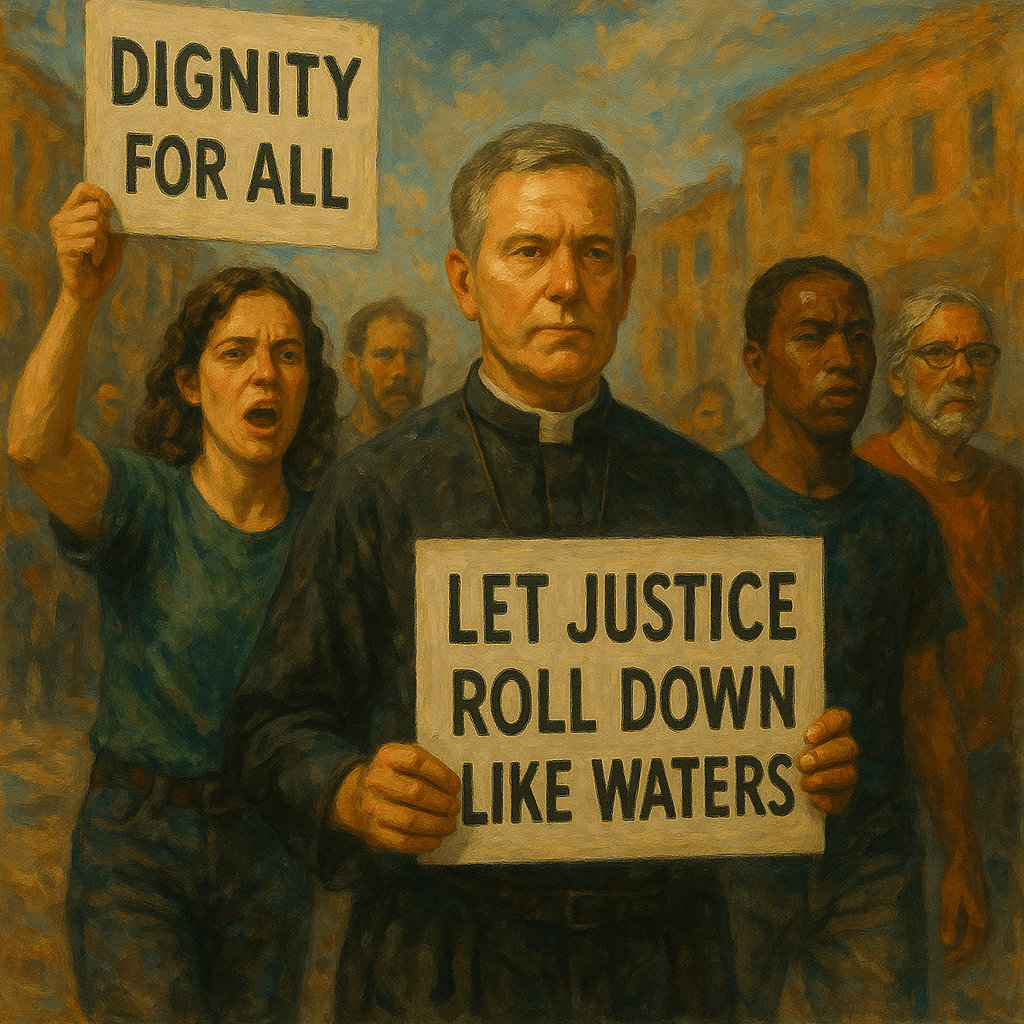
As the Church, we have a responsibility to respond to this breach of trust with compassion and integrity. The Church must become a place where the marginalized can find refuge, even when their families fail them. This means not only offering support and community but also challenging harmful ideologies that perpetuate exclusion and harm.
We must also hold up a vision of what true trust and love look like—relationships that are not contingent on conformity but rooted in the radical acceptance and inclusion that Christ modeled. We are called to be a voice of reconciliation, not by ignoring the pain of those who have been betrayed, but by actively creating spaces of healing and justice.
Conclusion: Choosing Love Over Loyalty
The rise of the MAGA movement has exposed a painful truth for many marginalized individuals: that those they once trusted may not be safe allies in the journey toward justice and dignity. This breach of trust is a moral crisis that requires a response rooted in the love and teachings of Christ.
As people of faith, we must choose love over loyalty to any movement or ideology that denies the humanity of others. We must prioritize relationships over rhetoric, justice over power, and compassion over exclusion. And we must strive to rebuild trust, not by forcing reconciliation, but by creating spaces where all people can experience the radical, unconditional love of God.
May we have the courage to be the safe spaces that others have lost. May we listen with open hearts to those who have been hurt. And may we always strive to embody the love of Christ in a world that desperately needs it. Amen.

 thoughtsprayersandart.com
Leave a comment