

Throughout history, the Church has faced moments of moral reckoning—times when it was called to speak out against injustice, oppression, and hatred. In each of these moments, the decision to either act or remain silent had profound consequences for society and for the Church itself. Today, as the political and social climate becomes increasingly polarized, the Church finds itself at another such crossroads. The rise of the MAGA movement, with its accompanying rhetoric of exclusion and division, especially on display at the Trump Madison Square Garden rally demands a response from the Church. Racism, Misogyny, Homophobia, Anti-Semitism and vulgar attacks on opponents, immigrants and marginalized communities were on full display. Silence in the face of these such challenges is not an option without grave consequences.
Silence as Complicity: A Lesson from History
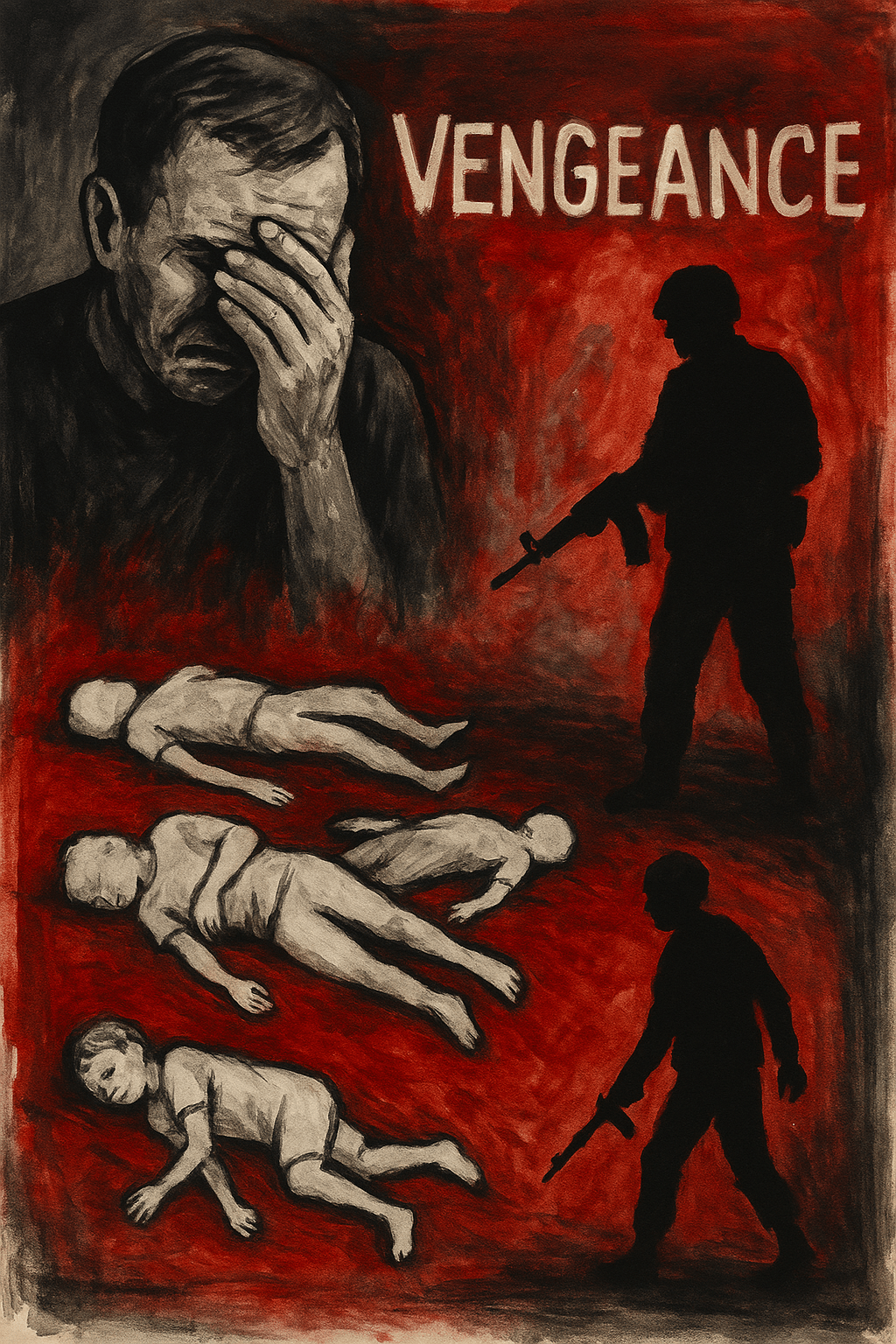
The Church’s response during World War II serves as a sobering lesson on the dangers of remaining silent in the face of growing ideologies of hatred and division. During the rise of Nazi Germany, many segments of the Christian Church failed to take a stand against the atrocities being committed. Some church leaders even aligned themselves with the Nazi regime, turning a blind eye to the suffering of Jewish people, political dissidents, LGBTQ+ individuals, and others who were deemed “undesirable” by the regime.
The silence and complicity of the Church during this period were not merely passive choices; they actively enabled the growth of a regime that committed horrific acts of violence and genocide. In failing to speak out, the Church not only lost its moral authority but also betrayed the very teachings of Christ, who called His followers to love, protect, and care for the most vulnerable among them.
Dietrich Bonhoeffer, a prominent theologian and pastor who resisted the Nazi regime, recognized this complicity and spoke powerfully against it. He famously said, “Silence in the face of evil is itself evil: God will not hold us guiltless. Not to speak is to speak. Not to act is to act.” Bonhoeffer’s words echo powerfully today as we face a moment of moral decision within the Church.
The Cost of Silence in the Present Day
The MAGA movement, with its embrace of exclusionary rhetoric, nationalism, and the elevation of power over compassion, presents a significant challenge to the Church’s mission to embody the teachings of Christ. When political leaders use their platforms to sow fear, distrust, and hatred, and when Christians remain silent or actively support these actions, the Church becomes complicit in perpetuating a culture that runs counter to the Gospel.
In remaining silent, the Church sends a message to marginalized communities that their suffering is not worthy of its attention. It signals to the world that the Church’s commitment to justice, love, and reconciliation is negotiable when faced with the discomfort of confronting political power. Such silence is not neutral; it is an endorsement of the status quo—a status quo that actively harms those whom Christ calls us to love and protect.
The Church’s Call to Prophetic Witness
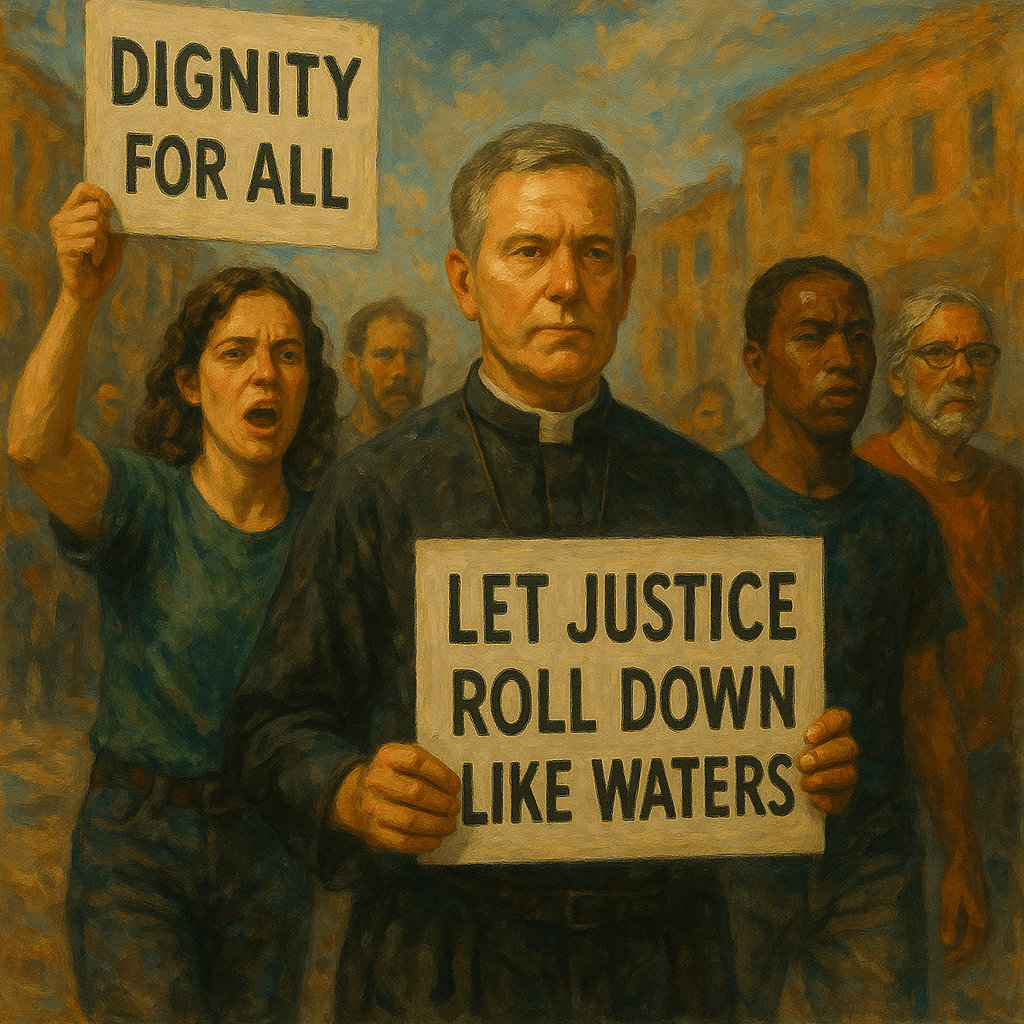
The prophetic tradition within Christianity calls the Church to be a voice of truth and justice in the face of oppression. The prophets of the Old Testament were not silent in the face of injustice; they spoke out against kings and leaders who exploited the poor, neglected the vulnerable, and oppressed the marginalized. Jesus himself stood against the religious and political authorities of his day, challenging their hypocrisy and their failure to care for the least among them.
When the Church remains silent in the face of rising nationalism, racism, and exclusion, it fails in its prophetic calling. It abdicates its responsibility to be a witness to the kingdom of God—a kingdom marked by radical love, inclusion, and justice. Silence in the face of injustice is a betrayal of the Gospel and a failure to live out the teachings of Christ.
The Consequences of Inaction
The consequences of the Church’s silence are not merely abstract; they are felt in the lives of real people who are suffering as a result of political and social ideologies that promote division and exclusion. When the Church remains silent:
- The Marginalized Are Abandoned: Silence sends a message to marginalized communities—LGBTQ+ individuals, immigrants, people of color, and others—that the Church does not care about their suffering. It communicates that their pain is not worthy of the Church’s attention or action, which in turn drives people away from the Church and from faith.
- The Church Loses Moral Authority: The Church’s silence in the face of injustice undermines its moral authority. When the Church fails to speak out against harmful ideologies, it loses credibility and becomes complicit in the systems that perpetuate suffering. This erodes trust not only among those outside the Church but also within its own community.
- Harmful Ideologies Are Validated: Silence in the face of harmful rhetoric and policies allows these ideologies to gain legitimacy and power. By failing to challenge exclusionary narratives, the Church implicitly validates them, allowing them to grow unchecked and to cause greater harm.
- The Gospel Is Distorted: When the Church fails to confront ideologies of hatred, it distorts the message of the Gospel. The Gospel is not a message of power and dominance, but of humility, service, and love. To remain silent is to misrepresent the very heart of Christ’s teachings.
A Call to Action: Learning from Our Mistakes
The Church today must learn from its mistakes during World War II and other periods of history when it failed to speak out against injustice. Now is not the time for complacency or fear of political backlash. The Church must embrace its prophetic calling, speaking out boldly and courageously against ideologies that dehumanize and divide.
This means standing with the marginalized and oppressed, even when it is uncomfortable or unpopular. It means calling out racism, xenophobia, and exclusion within our communities and within our political systems. It means offering a clear and unequivocal message that the teachings of Christ compel us to love, protect, and uplift those who are suffering.
Moving Forward with Courage
The path forward requires courage, humility, and faithfulness to the teachings of Christ. The Church must be willing to risk its comfort, its popularity, and its political influence for the sake of truth and justice. It must be willing to follow in the footsteps of Christ, who stood up to the powerful and embraced the marginalized.
This moment calls for a Church that is not silent, but vocal in its commitment to justice and love. A Church that speaks truth to power and stands in solidarity with those who are suffering. A Church that refuses to be complicit in the face of injustice.
In closing, let us remember the words of Dietrich Bonhoeffer: “The Church is the Church only when it exists for others.” May we have the courage to be a Church that exists for others—especially for those who are oppressed, marginalized, and suffering. And may we have the faith to trust that in standing up for justice, we are living out the Gospel of Christ in a world that desperately needs it. Amen.


 thoughtsprayersandart.com
Leave a comment