

Note: Why I’m Writing This
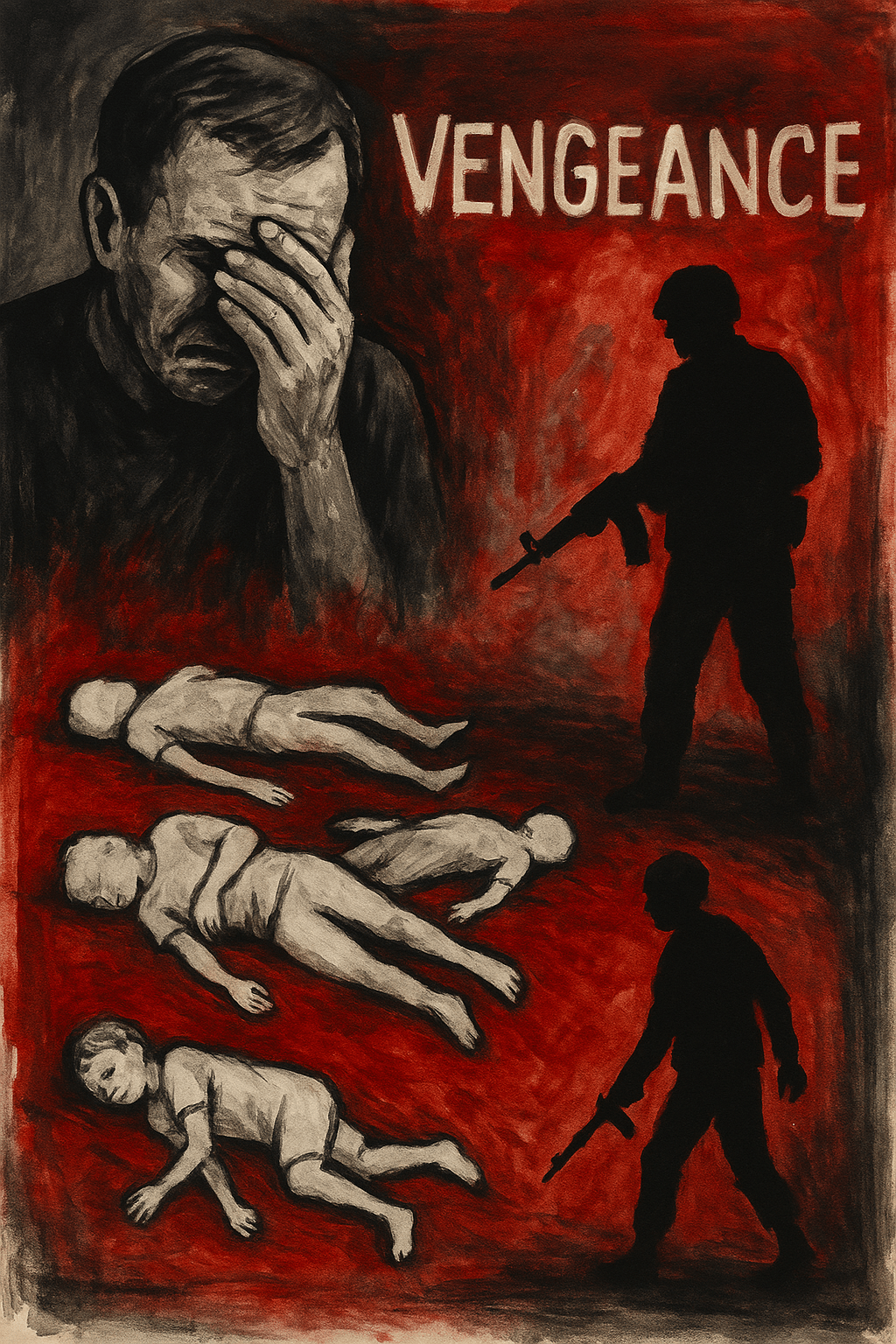
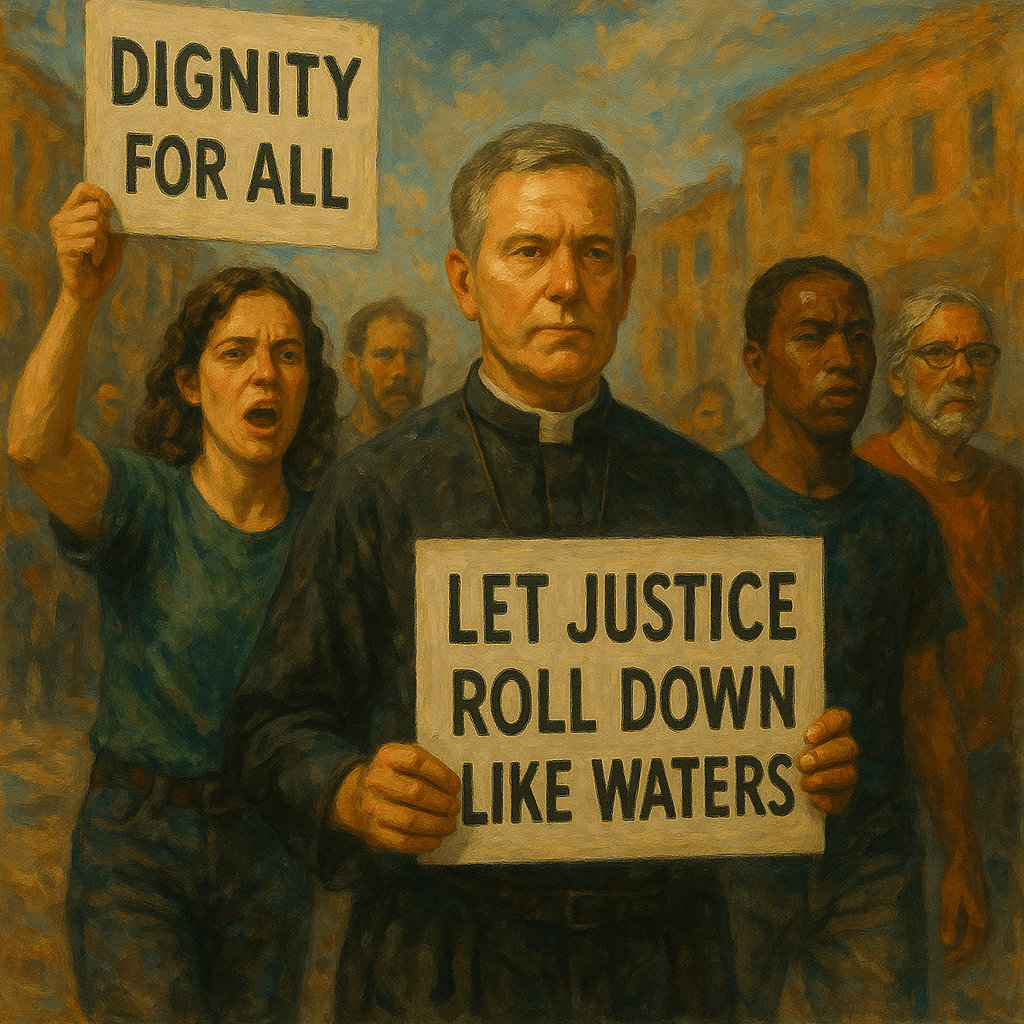
The recent onslaught of executive orders and policies from the Trump administration has become deeply triggering for me. I know I am not alone. The targeted attacks on the LGBTQ+ community—especially trans people—have unleashed a flood of anxiety. The dismantling of equity and inclusion initiatives also contributes to the distress. The attack on our nation’s immigrants (ICE) adds to the anxiety as I remeber history. Additionally, the horrifying suggestion of ethnic cleansing in Gaza provokes a fierce anger. The extreme measures being taken to cut funding for feeding children globally cause deep sorrow. These are not ordinary times, and the emotional toll of witnessing such widespread harm and cruelty is heavy. As a priest, as a gay married woman and mom, and especially as a survivor of narcissistic abuse, I easily recognize the familiar patterns of manipulation, gas-lighting, and cruelty. I feel them reverberate not only through the barrage of news, they resonate through my body. I feel them deep in my bones, and in my mind and spirit. This is my attempt to reach out and say, “You are not alone.” I hope to offer some words of compassion, hope, and strategies to cope during this time.
Narcissistic Abuse, Trauma Responses, and Spiritual Healing: Coping in a Challenging Time
Living through narcissistic abuse is profoundly disorienting. It is a painful experience. This experience has resurfaced for me with the relentless chaos of the Trump administration. The gas-lighting, lies, and the division hit me like waves, knocking me off balance when I least expect it. I find myself reeling, overwhelmed by a mix of fear, anger, and grief that feels all too familiar. If you’re reading this and nodding along, I see you. I understand how exhausting it is to relive old wounds while navigating new ones. But I also know that you and I carry an incredible strength—even when it feels buried beneath layers of pain. If you are struggling right now, please know that you don’t have to do this alone. Together, we can face this pain with compassion, patience, and the hope of healing for our body, mind, and spirit even in the midst of these dark times.
Naming it: Understanding Narcissistic Abuse and National Trauma
Narcissistic abuse is characterized by emotional and psychological manipulation designed to control, devalue, and destabilize others. It involves tactics such as gaslighting—where the abuser causes the victim to doubt their own perceptions and memories—as well as belittling, lying, and creating chaos. Survivors of this kind of abuse often find themselves questioning their worth and reality.
Examples of narcissistic abuse can be found in personal relationships, workplaces, and, as many of us are witnessing, on a national scale. Imagine living with a partner who constantly changes the narrative to suit their needs, denies facts, and blames you for things you know are not your fault. Now, extend this to a nation being fed disinformation by its leadership, where facts are constantly contested, groups of people are scapegoated, and fear and division are sown. The parallels are undeniable.
For example, gaslighting in an abusive relationship might sound like, “You’re too sensitive; that never happened,” causing the victim to doubt themselves. On a national level, we see this reflected in statements like, “The media is lying; only we have the truth,” which fosters widespread confusion and mistrust. Both create an environment of chaos and self-doubt.
Similarly, personal narcissistic abusers often use divide-and-conquer tactics, pitting friends or family members against each other to maintain control. Nationally, this is seen in political leaders who stoke divisions between different social, ethnic, and political groups to maintain power and control over the populace. These tactics are destabilizing, leaving survivors—whether individuals or entire communities—feeling isolated, fearful, and powerless.
I want you to know that these feelings of anxiety, fear, and powerlessness are valid. They’re not a sign of weakness—they are your body’s way of responding to the very real threats you’ve endured, past and present. When the world feels like it’s spinning out of control, it’s important to remember that the confusion and emotional turmoil are deliberate. Just as narcissistic abusers aim to destabilize their victims, the chaos we are witnessing on a national level is not accidental—it is part of a strategy.
Understanding these parallels can be empowering. Recognizing the tactics of narcissistic abuse on a national scale helps us validate our feelings and see that our reactions are normal responses to abnormal situations. This awareness is the first step in reclaiming our power and beginning the healing and coping process.
Trauma Responses: Physical, Mental, and Spiritual
When trauma resurfaces, it touches every part of our being. I’ve experienced the racing heart and sleepless nights, the moments when tears come out of nowhere, and the spiritual doubts that leave me questioning where God is in all of this. Not to mention the fits of anger and rage. Let’s explore what these responses look like and remember: none of this is your fault.
Physical Responses
- Heart Racing or Palpitations: The fight-or-flight response kicks in, flooding you with adrenaline. Your body is trying to protect you.
- Fatigue or Physical Exhaustion: Trauma takes a toll on the body. It’s okay if you feel drained—you’re carrying a lot.
- Muscle Tension and Pain: When you’re bracing for danger, your body can remain in a state of tension.
Mental and Emotional Responses
- Anxiety and Panic Attacks: Persistent feelings of fear can be overwhelming, but you are not broken.
- Depression and Hopelessness: The heaviness you feel is understandable—when the world feels chaotic, it’s hard to stay hopeful.
- Anger and Irritability: Anger can be a protective response, a signal that your boundaries have been crossed.
Spiritual Responses
- Loss of Faith or Spiritual Doubt: If you feel distant from God, I want you to know that God is still holding you, even in your doubts.
- Longing for Meaning: It’s natural to ask why this is happening. Seeking meaning is part of healing.
My Personal Reflections: Finding Hope in the Midst of Chaos
There have been nights when I’ve stared at the ceiling, unable to sleep, asking myself how much more can we take. The gas-lighting, the lies, and the overwhelming flood of bad news sometimes make me feel like I’m drowning. I know what it feels like to wonder if healing, if coping is even possible when each day seems to bring a new wound.
There are moments when I feel tempted to run—to pack up and find refuge somewhere quiet, away from the noise and pain on remote island in a new country. Should I become an expat? But my heart won’t let me. I’m bound by love for the people I serve and the call God placed on my life. And maybe you feel something similar—torn between the desire to escape and the responsibility to keep showing up. If you do, please know that it’s okay to feel conflicted. It’s okay to not have all the answers.
One thing I’ve learned is that healing doesn’t require us to be perfect. We don’t have to have it all figured out. Healing comes in the moments when we give ourselves grace—when we allow ourselves to rest, to cry, to be held. I cling to the promise of Psalm 34:18: “The Lord is near to the brokenhearted and saves the crushed in spirit.” When I feel crushed, I remind myself that it’s okay to not feel strong all the time. God meets us in our brokenness, even when we can’t feel it. Healing doesn’t happen overnight, but I promise you—it can happen.
Strategies: Healthy Ways of Coping
Coping with trauma triggers requires gentle care and small, meaningful steps. Here are some strategies that have helped me in the past and I find myself taking the time to do now. I hope they can help you, too.
1. Grounding and Mindfulness Practices
Grounding helps bring you back to the present moment when memories or triggers pull you away.
- Breathing Exercises: Place a hand on your heart and take slow, deep breaths. Imagine each breath bringing you peace.
- Sensory Grounding: Hold a comforting object, like a smooth stone or a soft piece of fabric, to anchor yourself.
- Body Scans: Gently check in with your body, noticing where you hold tension, and breathe into those areas with kindness.
2. Therapy and Professional Support
There is no shame in seeking help. Therapy saved me during some of my darkest days, and it can provide you with a lifeline.
- Cognitive Behavioral Therapy (CBT): Helps reframe negative thought patterns.
- Trauma-Informed Therapy: Focuses on creating safety and trust.
- Support Groups: Connecting with others who understand your journey can be profoundly healing.
3. Reconnecting with Spiritual Practices
I know how hard it can be to pray when the world seems so dark and maybe you feel abandoned by God. But even a small whispered, “Help me,” is a prayer that reaches God’s ears.
- Prayer and Meditation: Start small—even two minutes of sitting in silence can be healing.
- Scripture Reading: When I feel lost, I turn to passages that remind me of God’s steadfast love, like Lamentations 3:22-23.
- Spiritual Direction: A trusted guide can help you rediscover your connection to the divine.
4. Setting Healthy Boundaries
It’s okay to protect yourself. In fact, it’s necessary.
- Limit Exposure to Triggering Media: Give yourself permission to step away from the news.
- Say No Without Guilt: You don’t have to be everything to everyone. You are enough as you are.
- Lean on Trusted Support: Seek out those who uplift you and remind you of your worth.
5. Engaging in Acts of Service
Helping others has been a balm for my soul. It shifts my focus from pain to purpose.
- Volunteer Work: Even small acts of kindness can make a big difference.
- Community Support: Find strength in being part of something larger than yourself.
6. Physical Activity and Nature
Movement is healing. Even a short walk can help release built-up tension.
- Gentle Yoga: Combines physical movement with mindfulness.
- Spending Time in Nature: God’s creation can be a source of peace and renewal.
A Compassionate Reminder
If you are struggling today, be kind to yourself. Healing isn’t linear, and living through these chaotic, heart-wrenching times isn’t normal—it’s a profound disruption to the way we understand life and our place in it. Some days, it may feel like you’re taking two steps forward and three steps back, but that’s part of the journey. Healing in the midst of chaos is messy, and that’s okay. What matters is that you keep showing up, even when it feels like you have nothing left to give.
Living through this level of collective trauma and personal pain requires immense courage. Give yourself permission to rest when you need to and to let go of the idea that you need to have it all together. It’s okay to feel lost, confused, or broken. Healing doesn’t mean erasing the pain overnight; it means allowing yourself the grace to feel everything, without judgment.
And know this: You are worthy of healing, peace, and joy—even if you can’t believe it right now. You don’t have to earn your worthiness. It’s already yours because you are loved, because you exist, and because you matter. There is a light within you that can never be extinguished, even when the world feels unbearably dark.
Trust that your healing will come, not because you push yourself harder, but because you allow yourself to be held in God’s grace. You are not alone on this journey. You are part of a larger, loving community of survivors and believers who understand your pain and are rooting for you every step of the way.
Closing Prayer
Lord of healing and restoration, we come before You with heavy hearts and weary spirits. Hold us in Your loving arms as we navigate the triggers and pain of this season. Remind us that we are never truly alone, and that Your light can guide us through the darkest nights. Grant us peace, strength, and hope. Amen.

 thoughtsprayersandart.com
Leave a comment