

Originally published: May 22, 2025
In every generation, Scripture reminds us that the measure of a just society lies not in the wealth of its elite, but in the well-being of its most vulnerable. Over and over again, we hear God’s heart cry through the prophets: “Woe to those who enact unjust decrees… who rob the poor of their rights and make widows their prey” (Isaiah 10:1-2). And in Christ, we are given the clearest vision of divine concern, Jesus, who fed the hungry, healed the sick, and proclaimed good news to the poor.
It is with that vision in mind that we must speak clearly and prophetically about the devastating consequences of cutting Medicaid and SNAP (Supplemental Nutrition Assistance Program) benefits in the United States.
These programs are not luxuries. They are lifelines.
Medicaid ensures that the elderly receive the care they need to live out their final days with dignity. It makes it possible for children born with disabilities to grow and thrive. It allows a young mother to get prenatal care. It gives peace of mind to a working father juggling two jobs who knows he can bring his daughter to the doctor without risking bankruptcy. It is one of the last threads holding together our frayed safety net.
SNAP, formerly known as food stamps, puts groceries in the cabinets of 40 million Americans. Not extravagance, groceries. Milk. Eggs. Bread. Fruit. Without SNAP, families are left to decide whether to pay rent or eat dinner. Without SNAP, children go to school hungry, and no child can learn well with an empty stomach.
The moral consequence of cutting these programs is that we abandon our neighbor. The spiritual consequence is that we sever the link between policy and compassion. And the social consequence is a country further fractured along the lines of class, race, and opportunity.
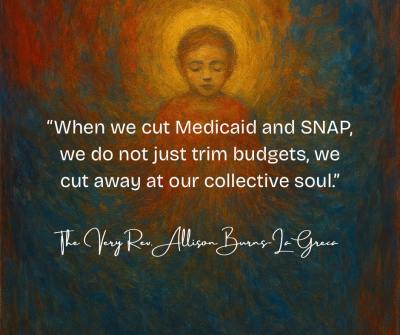
When we cut Medicaid and SNAP, we do not just trim budgets, we cut away at our collective soul. We wound the heart of our nation. We turn our backs on the very people Christ calls us to serve: “Whatever you did for the least of these… you did for me” (Matthew 25:40).
We must resist the narrative that paints the poor as lazy or unworthy. That myth has been used for centuries to justify injustice. The truth is that most people receiving these benefits are working, many full-time or are children, seniors, or people with disabilities. They are our neighbors. They are us.
As a priest and pastor, I walk with those on the margins. I listen to their stories. I hold their hands in prayer. I see their dignity and their desperation. And I cannot stay silent while policies threaten their survival.
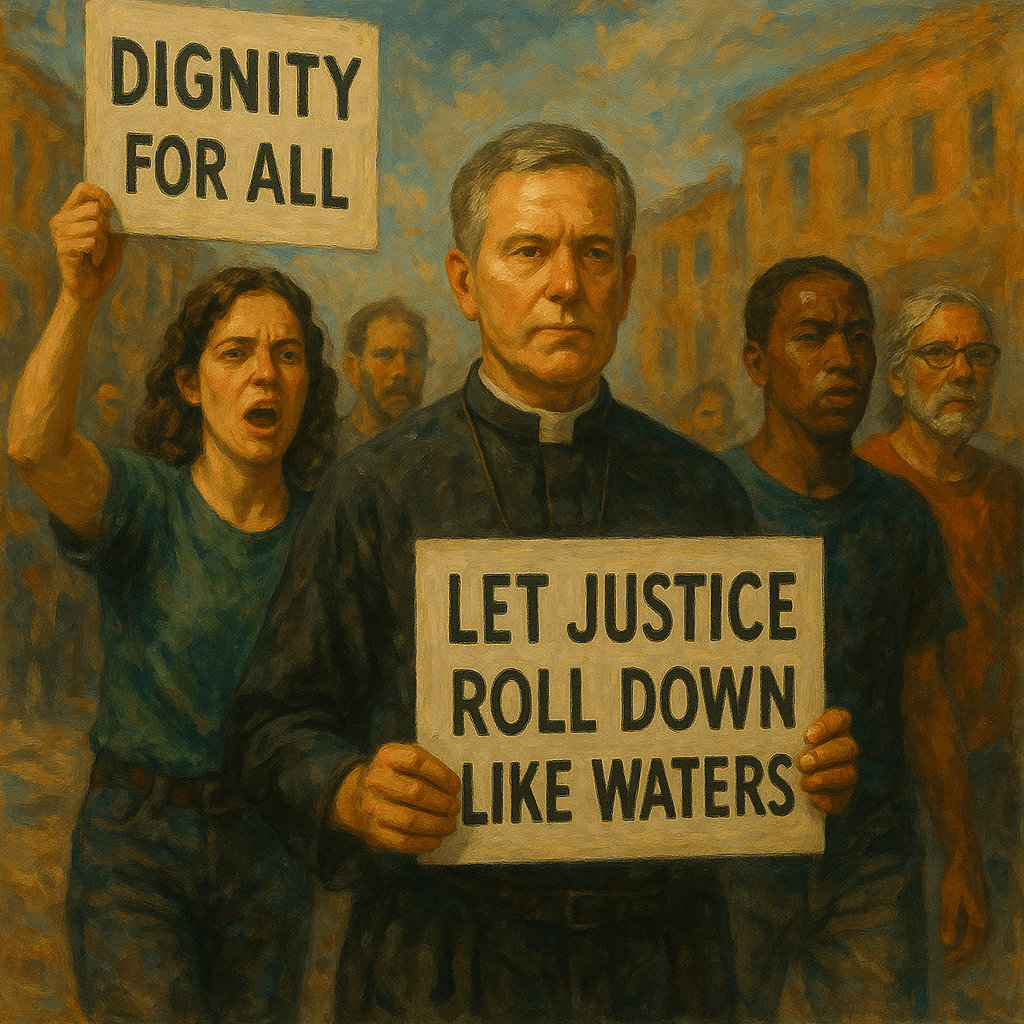
The church must be a sanctuary, yes, but also a sounding alarm. We are not called to be comfortable. We are called to be courageous. We are called to stand in the gap and speak truth to power.
So let us raise our voices. Let us advocate. Let us remind our leaders that budgets are moral documents. And let us, as followers of Christ, refuse to be complicit in policies that punish poverty and reward indifference.
Because when we care for the vulnerable, we glimpse the Kingdom of God.
When we nourish the hungry, we become Christ’s body.
And when we protect one another, we become the living Gospel.

 thoughtsprayersandart.com
Leave a comment