
It has been a while since I last posted here. Not because the well ran dry, but because discernment is holy work, and sometimes the Spirit asks us to pause before speaking again. Thoughts, Prayers, and Art has always been a place where faith meets the real world, where Scripture is allowed to wrestle with the times we are living in, and where I listen carefully for what needs to be named out loud.
Lately, I have been asking what this space is meant to become. What voices it is meant to amplify. What truths it is meant to tell with courage and care. That question remains open, and for now, that is enough.
This reflection began not as a planned post, but as a response. A new connection asked me about Joseph, the quiet figure standing just outside the spotlight of the Christmas story. Not the strongman version of faith so often praised in our culture, but the man who chose mercy over reputation, love over control, obedience over ego. In a moment when our public imagination around masculinity is distorted by power, violence, and dominance, Joseph offers us something truer, and far more demanding.
So I return to this space with him. Not to resolve every question, but to listen again. To reflect on the strength it takes to be righteous when no one is watching, and the courage it takes to protect life rather than control it. This is a reflection on Joseph, but it is also a reflection on who we are becoming, and who God is still calling us to be.
Joseph and the Strength That Gives Life
Not long ago, I read an article about a teenage boy who had been pulled deep into online spaces that promised him strength, confidence, and purpose. What they offered instead was anger. A steady diet of grievance. A story that told him the world was against him and that the only way to matter was to dominate, control, or strike back. He was lonely. He was hurting. And no one had taught him another way to be strong.
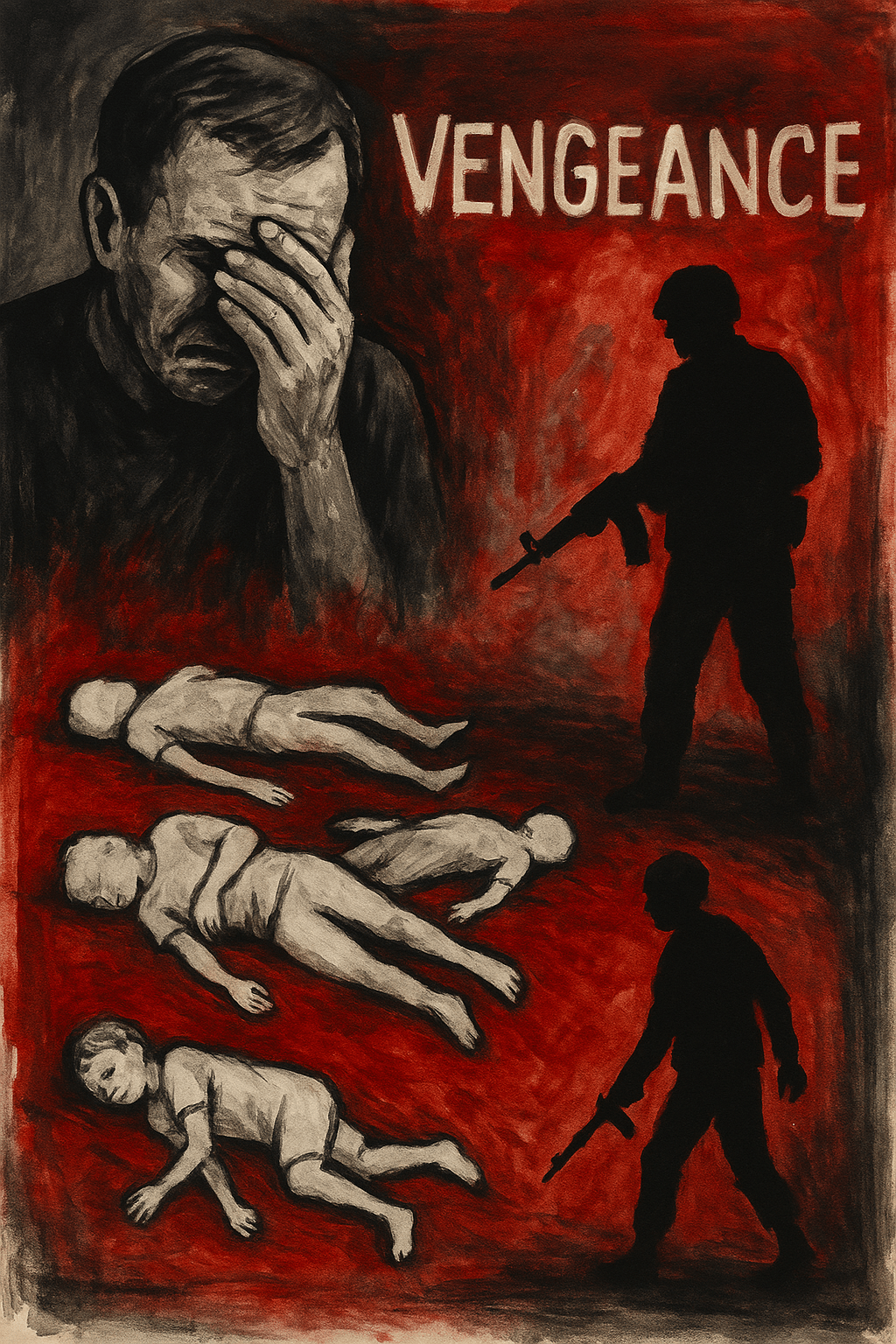
This is not an isolated story. It echoes through our schools, our communities, our politics, and tragically, through our headlines. We are living in a moment when too many boys and men are being formed by fear disguised as power. When masculinity is sold as dominance, cruelty, and control. When wounded ego is given a microphone and violence is framed as resolve.
Something is deeply broken in how we teach strength.
And into that brokenness, on the Fourth Sunday of Advent, the Church gives us Joseph.
Not a warrior. Not a ruler. Not a man who takes charge by force. But a quiet, faithful man whose strength shows itself when everything he thought he knew falls apart.
Matthew tells us that Joseph learns Mary is pregnant, and the child is not his. In that moment, Joseph loses control of the story of his life. His future fractures. His trust is shaken. His reputation is at risk. He is afraid, angry, confused, and powerless.
Scripture does not rush past this moment. It lets it sit.
Joseph lives in a world where the law gives him power. Where honor culture rewards punishment. Where masculinity is proven by control. He could expose Mary. He could protect his pride. He could make his pain someone else’s burden.
But Matthew tells us Joseph is righteous.
And here is the surprise. His righteousness is not shown through dominance, but through mercy. Before the angel ever appears, Joseph has already decided not to harm Mary. He chooses compassion while still wounded. He restrains himself when power is available.
This is strength the world rarely celebrates.
Joseph does not turn his fear into violence. He does not turn his humiliation into cruelty. He does not weaponize the law, his gender, or his authority. He chooses a quiet path that protects life rather than his ego.
Then the angel comes, not with explanations, but with a single invitation. “Do not be afraid.”
Joseph is not told everything will make sense. He is not promised social approval. He is told to trust that God is already at work in the mess.
And Joseph does.
He takes Mary as his wife. He claims a child who is not biologically his own. He accepts a future where he will always be misunderstood. He becomes protector, not owner. Guardian, not ruler. He stays.
This is not weakness. This is moral courage.
Joseph shows us a masculinity shaped by integrity. Strength rooted in responsibility rather than control. Love stronger than ego. Faith that loosens its grip instead of tightening it.
And this matters, because we are forming boys right now. Whether we intend to or not.
Boys are watching what we praise. They are learning what strength looks like from our leaders, our culture, our churches, and our silence. Too often they are taught that anger is power, that vulnerability is dangerous, that control is safety.
The Gospel tells a different story.
Joseph teaches boys and men that strength looks like pausing instead of exploding. Listening instead of dominating. Protecting instead of possessing. Staying instead of fleeing.
This is the strength that gives life.
If we want fewer broken men, fewer acts of violence, fewer lives shaped by rage, we must bless this kind of strength. We must teach it early. We must embody it publicly. We must name gentleness as holy and restraint as righteous.
Advent reminds us that God entrusted the salvation of the world not to empire, not to force, not to domination, but to a family formed by trust. A young woman who said yes. A quiet man who stayed. And a child who grew up knowing that love does not need to shout to be strong.
As we prepare for Christmas, Joseph stands before us not as a background character, but as a witness. A witness to the kind of humanity God calls righteous. A witness to the strength our sons are longing for. A witness to a faith that chooses mercy over fear.
May we have the courage to follow his way.
May we teach our children a better story.
And may we trust that God is with us, even here, forming something holy in the waiting.
Rev. Allison Burns-LaGreca


 thoughtsprayersandart.com
Leave a comment