

There comes a time when prayers alone no longer suffice, when the weight of suffering tips the scales of silence and demands action. Tables Flip Themselves is not just a poem. It is a cry, a lament, and an invocation for a God who does not merely stand in the calm but roars in the storm. It was born from the tension between anger and faith, from the raw and unfiltered pain of witnessing injustice devour the vulnerable while the world marches on, pretending everything is fine. This is an essay about its origins, its purpose, and the spiritual wrestling that lies beneath its verses.
A Poem Forged in the Fire of Witness
This poem arose from the kind of morning when the news headlines feel like fists pounding at your soul—when images of children in cages, dreamers deported, trans youth discarded, and refugees demonized become too heavy to bear. As I sit in prayer, I am supposed to find peace, to surrender my anger and let God’s grace take over. But what if God’s grace doesn’t look like peace today? What if it looks like righteous anger, the kind that drove Jesus into the temple with a whip of cords, flipping tables where greed had defiled the sacred?
Jesus’ anger wasn’t reckless; it was righteous. He saw what we often try to ignore—that the suffering of God’s children isn’t just tragic, it’s sacrilegious. It’s a violation of the divine order, and ignoring it would be a betrayal of the Gospel. Tables Flip Themselves is a reminder that sometimes the Christ we are called to follow is not the gentle shepherd but the disruptor, the boundary-crosser, the liberator who refuses to let injustice thrive unchecked.
The Struggle to See Christ in the Faces of the Oppressors
In moments of deep spiritual conflict, I confess that I struggle to see Christ in the faces of those who perpetuate harm. I am supposed to see every human being as made in the image of God, but what do you do when all you can see is evil? The politicians who strip funding from food programs while lining their pockets with corporate bribes. The white supremacists who cloak their hatred in the language of patriotism. The religious leaders who condemn love while blessing violence. These are the faces that haunt me. And if I am being honest, some days I don’t want to pray for them. I want them to feel the tables crashing down on their heads.
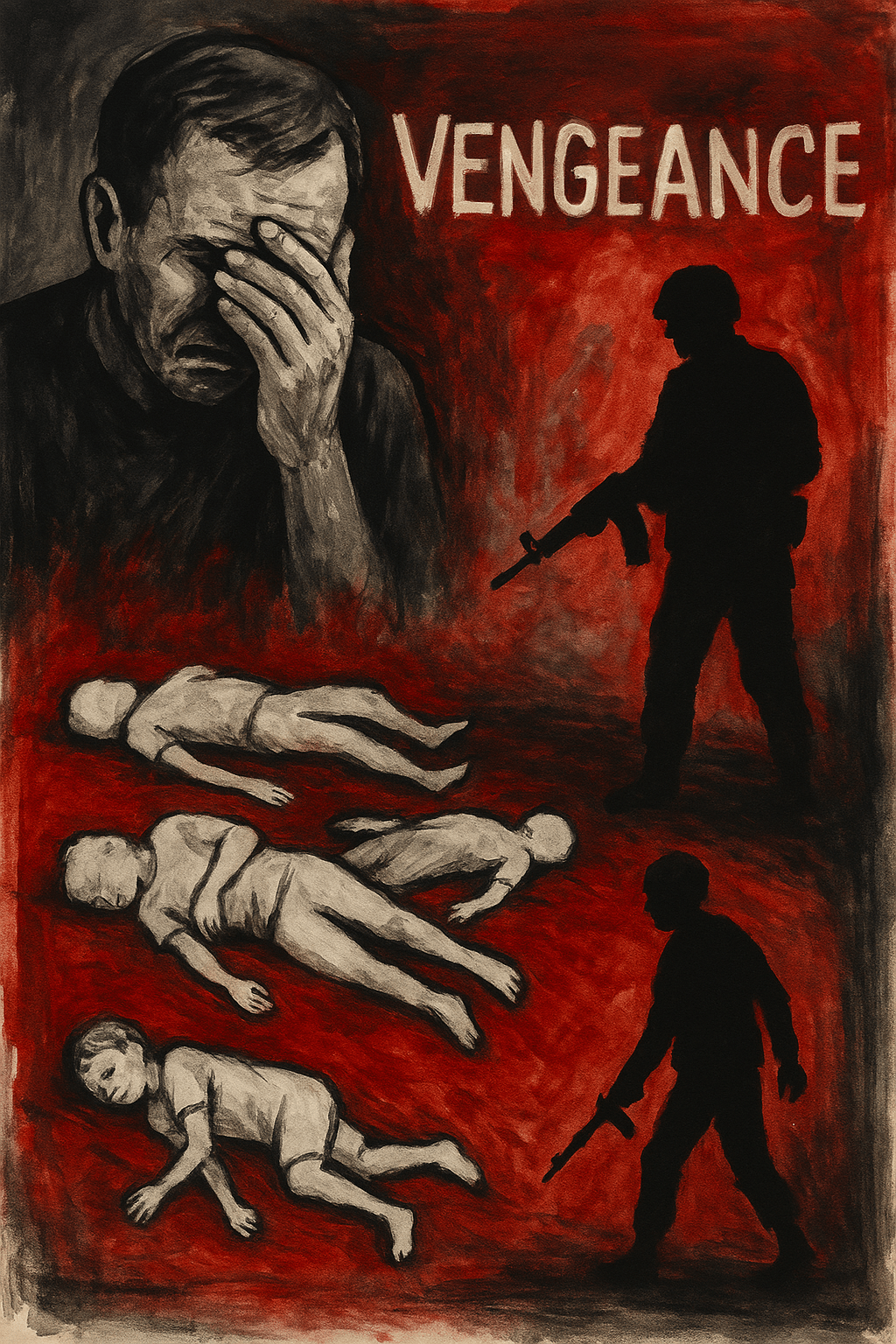
The poem grapples with that tension. How do you separate the sin from the sinner, the evil from the humanity that God still calls sacred? Is it even possible when their actions continue to cause pain? The line between holy justice and human vengeance is thin, and I walk it cautiously, knowing that God calls me to accountability too. Still, the rage does not vanish—it transforms. It becomes fuel for advocacy, compassion, and truth-telling. This poem is the fire that refuses to be extinguished, because extinguishing it would mean accepting the unacceptable.
Hope in the Ashes: Where Christ Lives
As much as this poem is about rage, it is equally about hope—hope found in the margins where Christ always dwells. The immigrant mother cradling her child as she crosses a border with nothing but faith to sustain her. The trans teenager who fights every day to exist in a world that wants to erase them. The refugee who rebuilds their life brick by brick, prayer by prayer. These are not just symbols of resilience—they are living, breathing reflections of Christ’s power to rise from the ashes.
In the poem, the tables don’t flip out of hatred—they flip because something holy needs to be made visible. When systems of oppression are torn down, something new has the chance to grow. The image of a garden rising from the ashes is no accident. It is the promise of resurrection. But resurrection doesn’t happen without crucifixion. The tables must be overturned. The lies must be exposed. The powers that be must fall. Only then can the new life begin.
Why It Had to Be Written
This poem is for anyone who feels overwhelmed by the weight of injustice, who feels guilty for their anger or unsure of how to channel it. Too often, we are taught that anger is a sin, that Christians are supposed to be meek and mild in the face of adversity. But there is a difference between destructive anger and holy anger. Holy anger is the flame that burned in Moses when he confronted Pharaoh, in Mary when she sang of casting the mighty down from their thrones, in Jesus when he declared that the kingdom belongs to the poor, the hungry, and the oppressed.
The anger in this poem is holy because it does not seek destruction for its own sake. It seeks transformation. It is written for the immigrants locked away in detention centers, for the dreamers who dare to dream despite the threats against them, for the trans children who are told they are unloved by the very churches that should embrace them. It is also written for those who have fallen asleep to the cries of the oppressed, in hopes that they will wake up before it’s too late.
The Role of the Church: We Cannot Be Neutral
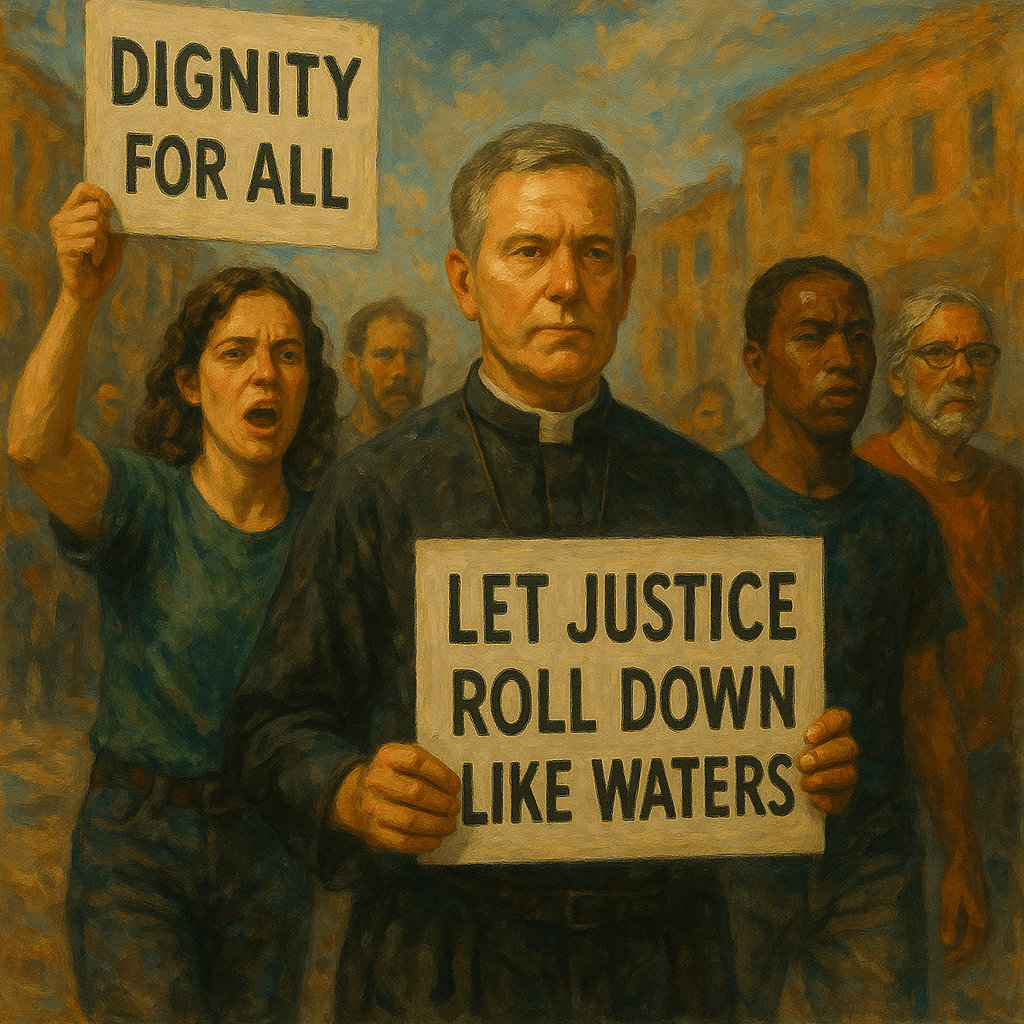
The church cannot sit quietly on the sidelines when the world burns. Neutrality in the face of oppression is complicity. When I wrote this poem, I did so with the awareness that the church has often failed to act as Christ’s body in the world. Too many churches have been content to offer thoughts and prayers while avoiding the work of justice. But thoughts and prayers without action are empty offerings. The Christ who flipped tables did not simply pray for change—He demanded it.
So, this poem is a call to action. To flip the tables. To disrupt the status quo. To stand with the marginalized not as saviors, but as co-sufferers, as siblings in Christ who recognize that their liberation is tied to ours. It is a reminder that sometimes love looks like confrontation. Sometimes peace requires the breaking of chains. And sometimes, the only way to build a better world is to burn down the structures that oppress God’s people.
A Pastoral Prayer: May Our Anger Be Holy, Our Compassion Fierce
As I close this reflection, I leave you with a prayer:
May our anger be holy, our compassion fierce.
May we not fear the fires of righteous rebellion,
For Christ Himself set them first.
May we see Christ in the faces of those we serve,
Even when we struggle to see Him in the faces of those who harm.
May the tables we flip today
Be the foundations of justice tomorrow.
And may we never forget
That resurrection begins in the ashes.
Amen.
Tables Flip Themselves
By the Grace of Anger and the Breath of Compassion

I woke today beneath the boot heel of a broken land,
Where dawn doesn’t rise—it staggers,
Drunk on the wine of privilege and power.
The soil beneath me cries for its harvest,
But only weeds of oppression grow here.
Who planted them?
White faces in suits and caps, grinning,
As if God willed the suffering
And stamped His name on it.

I try to see the Christ in them—
The carpenter who knew splinters,
Knew pain, knew love
Even for those who would hang him up to bleed.
But today, the Christ in me flips tables.
It roars, it weeps,
Because how can I look into the face of a man
Who cages children under tarps
And not see Satan laughing in his grin?
Do they know the heat of Hell
Has already reached their fingertips?
Or do they believe they’ll stay cool in the shadows
Of their golden towers?

Guantanamo: a false temple.
They lock up the dreamers—
The children of prophets and poets,
Mothers who crossed deserts with holy water in their hearts.
They turn hope into handcuffs
And call it protection.
Protection for who? Not for them.
Not for the refugees, not for the trans child,
Not for the queer couple who kissed
In the wrong neighborhood and got bloodied for it.
God weeps. I hear Her in my bones.

There’s a place where frost coats the margins of society,
But still they bloom. Still, they sing.
Immigrants with prayers carved into their palms,
Dreamers dancing to music no cage could stop,
And trans youth rewriting scripture
In the way they shape their bodies
To match the truth of their spirit.
They are Christ,
They are the holy rebellion.
And even if no one offers them a place at the table,
They are building one out of scraps,
Hammering hope into the nails.

But I—
I am rage on fire.
I am smoke curling from the lips of prophets who warned us,
Who screamed about Babylon,
While we stuffed our ears with comfort.

I want to love like Jesus.
I want to turn the other cheek.
But when their hands hold a whip,
I will not offer my back—
I will shield the ones they aim to strike.

Let me be a pastoral rage,
A storm that waters the fields of resistance.
Let me burn down the lies of supremacy
So that something holy can grow in the ashes.

There is no normal.
And I won’t pretend there is.
Not while the immigrant dreams behind bars,
Not while the refugee runs from bombs
We’ve helped launch,
Not while they strip children of their pronouns
And call it God’s work.

No. My God flips tables,
Builds chairs for the outcast,
And lights fires in the hearts of those

Who will never stay silent.
If I have to be scorched earth,
So be it.
From the ash will rise the garden,
And the garden will hold us all.


 Thoughts, Prayers & Art
Leave a reply to Gloria Agel Cancel reply